
Digital marketing has become an important part of growing a business in today’s online world. People use search engines, social media platforms, websites, email, and online advertisements every day to find information, products, and services.
For businesses, this creates a valuable opportunity to connect with potential customers online. However, getting started with digital marketing can feel confusing for beginners because there are many strategies, platforms, and tools to learn.
The good news is that you do not need to master everything at once. By understanding the basics and following a clear strategy, beginners can gradually build their digital marketing skills and create a strong online presence.
**This guide covers practical digital marketing tips for beginners and shows how to use them effectively to promote and grow your business online.**
Digital Marketing Tips?
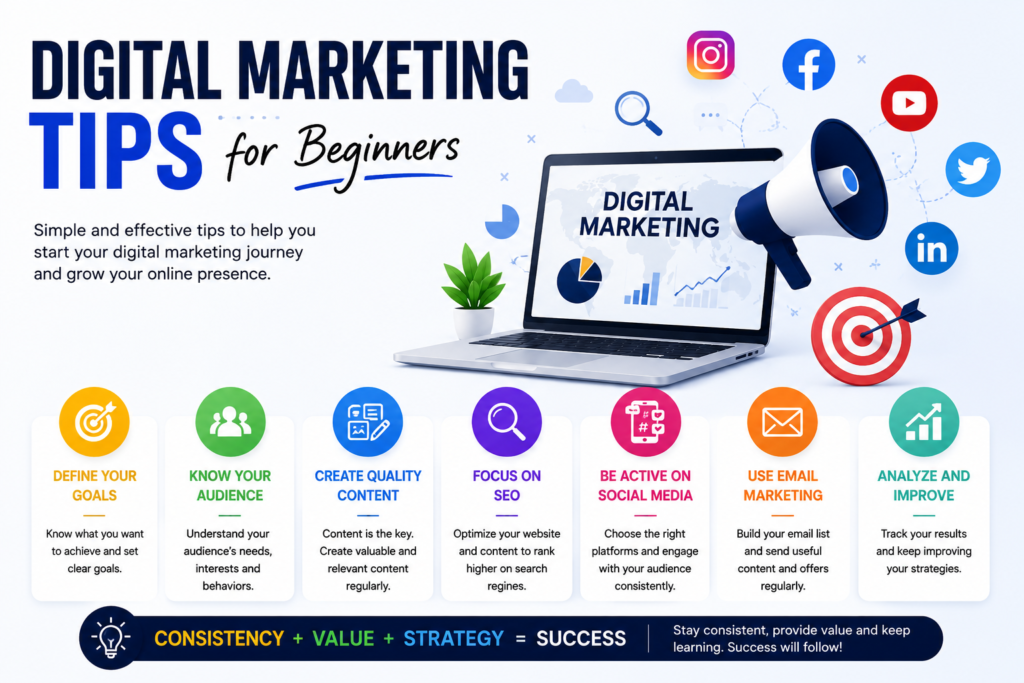
Digital marketing is the process of promoting a business, product, service, or brand through digital channels.
These channels include:
* Search engines
* Websites
* Social media
* Online advertisements
* Video platforms
* Content platforms
Some of the most popular digital marketing strategies are **SEO, Social Media Marketing, Content Marketing, Search Engine Marketing, Email Marketing, and PPC advertising**.
The main goal is to reach the right audience, build relationships, generate leads, and increase conversions.
1. Start With Clear Goals
The first digital marketing tip for beginners is to set clear goals.
Before creating content or running advertisements, decide what you want to achieve.
Your goals could include:
* Increasing website traffic
* Getting more leads
* Increasing sales
* Building brand awareness
* Growing social media followers
* Improving customer engagement
* Increasing online visibility
For example, instead of saying, “I want more website traffic,” set a specific goal such as “I want to increase organic website traffic over the next six months.”
Clear goals make it easier to create a strategy and measure your progress.
2. Understand Your Target Audience
**Understanding your target audience is a key element of creating an effective digital marketing strategy.**
You need to understand who your potential customers are and what they need.
Consider:
* Age
* Location
* Interests
* Problems
* Needs
* Buying habits
* Online behavior
* Preferred platforms
For example, if you are marketing a professional service, LinkedIn may be useful for reaching business professionals. If your business depends heavily on visual content, Instagram or YouTube may be more suitable.
Understanding your audience helps you create content that is relevant and useful.
3. Build a Professional Website
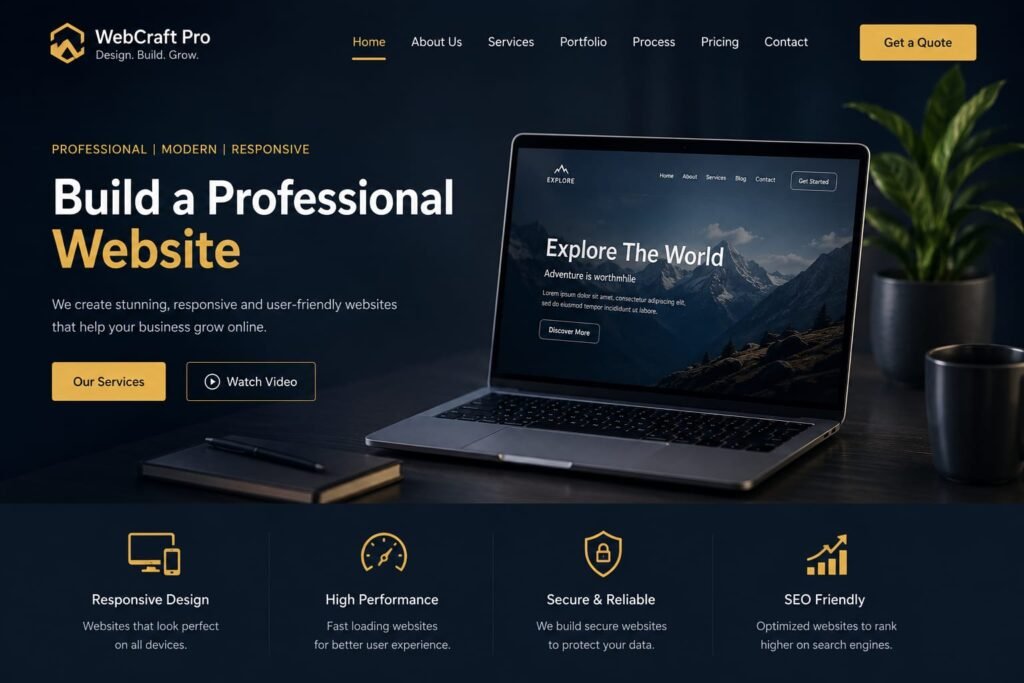
Your website is an important part of your online presence.
Even if people discover your business through social media or advertisements, they may visit your website before making a decision.
A good website should be:
* Mobile-friendly
* Fast-loading
* Easy to navigate
* Secure
* Professional
* Easy to understand
* Search-engine friendly
Make sure your website clearly explains what your business offers.
Include important pages such as:
* Home
* About
* Services
* Blog
* Contact
You should also include clear calls to action such as **Contact Us, Get a Quote, Book Now, or Learn More**.
4. Learn the Basics of SEO
Search Engine Optimization, or SEO, helps websites improve their visibility in organic search results.
**SEO helps your website gain visibility when potential customers search online for products or services related to your business.**
Beginners should learn the basics of:
* Keyword research
* On-page SEO
* Technical SEO
* Off-page SEO
* Local SEO
* Content optimization
Start by finding keywords related to your business and target audience.
For example, a digital marketing freelancer might target keywords such as:
* Digital marketing services
* SEO services
* Social media marketing
* Google Ads services
* Digital marketing consultant
Use keywords naturally in your website content. Avoid adding keywords repeatedly just to manipulate search rankings.
5. Create Useful Content

Content marketing is another important digital marketing strategy.
Content helps businesses educate their audience, answer questions, build trust, and attract potential customers.
You can create:
* Blog posts
* Social media posts
* Videos
* Infographics
* Guides
* Tutorials
* Case studies
* FAQs
For example, if you provide SEO services, you can create blog posts about keyword research, SEO tips, website optimization, and common SEO mistakes.
**Create content that addresses your audience’s real needs, answers their questions, and provides practical solutions.**
Useful content can also support your SEO strategy by helping search engines understand the topics your website covers.
6. Choose the Right Social Media Platforms
**You don’t have to use every social media platform; focus on the ones where your target audience is most active.**
Choose platforms based on your target audience and business goals.
Popular platforms include:
Useful for visual content, Reels, Stories, and brand awareness.
Useful for communities, local businesses, customer engagement, and advertising.
Suitable for professional networking, B2B marketing, and business-related content.
YouTube
Useful for tutorials, educational videos, product demonstrations, and long-form content.
TikTok
Popular for short-form videos and creative content.
Start with one or two platforms and learn how to use them effectively before expanding.
7. Be Consistent on Social Media
**Maintaining a consistent posting schedule is essential for building a strong and recognizable social media presence.**
You do not need to post several times every day. Instead, create a realistic schedule that you can maintain.
For example:
**Monday:** Educational post
**Wednesday:** Short video
**Friday:** Tips or infographic
**Sunday:** Engagement or promotional post
A content calendar can help you plan posts in advance.
**Regular content helps your audience remember your brand and keeps your business visible across online platforms.**
8. Focus on Engagement
Social media is not just about publishing content. **It also focuses on creating meaningful connections and building lasting relationships with your audience.**
Respond to:
* Comments
* Messages
* Questions
* Reviews
* Mentions
You can also encourage engagement by asking questions, creating polls, andinviting followers to share their opinions.
For example:
“What is your biggest digital marketing challenge?”
Questions like this can encourage people to interact with your content.
Building genuine relationships can help increase customer trust.
9. Learn About Google Ads and PPC
Pay-Per-Click advertising allows businesses to display paid advertisements to targeted audiences.
Google Ads is one of the most popular PPC platforms.
With paid search advertising, businesses can target relevant keywords and reach people who are actively searching for products or services.
Beginners should understand:
Keywords
Ad groups
Ad copy
Bidding
Budgets
Landing pages
Conversions
Start with a small budget and monitor your results carefully.
Do not increase your advertising budget simply because an advertisement receives clicks. Focus on whether those clicks lead to meaningful actions such as enquiries, registrations, or sales.
10. Use Email Marketing
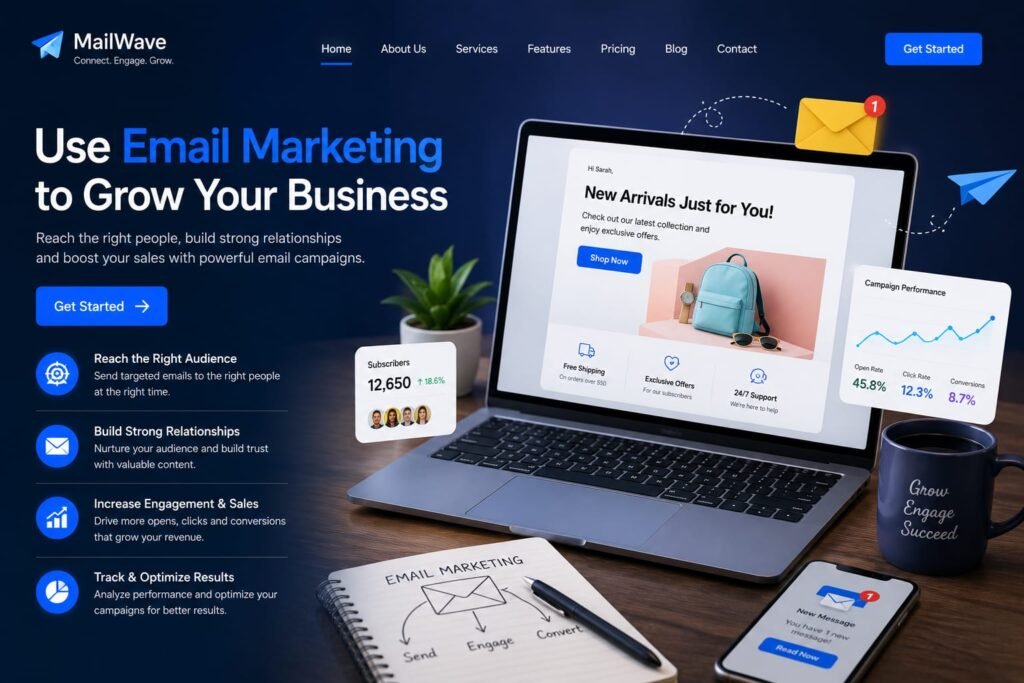
Email marketing allows businesses to communicate directly with customers and potential customers.
You can use email marketing to share:
Newsletters
Special offers
New products
Company updates
Educational content
Events
Personalized recommendations
Build your email list through legitimate methods and provide people with a clear reason to subscribe.
Avoid sending too many promotional emails. Focus on providing useful information and maintaining a good relationship with subscribers.
11. Use the Right Digital Marketing Tools
Digital marketing tools can help beginners save time and manage campaigns more effectively.
Some useful tools include:
Canva – For creating social media graphics and marketing designs.
Google Analytics – For understanding website traffic and user behavior.
Google Trends – For discovering popular search topics and trends.
Meta Business Suite – For managing Facebook and Instagram content.
Buffer – For scheduling social media posts.
ChatGPT – For brainstorming content ideas, captions, outlines, and marketing copy.
Using the right tools can make digital marketing easier and more organized.
12. Understand Search Intent
Search intent refers to the reason behind a user’s search.
For example, someone searching for “what is SEO” is probably looking for information.
Someone searching for “SEO services near me” may be looking for a service provider.
Understanding search intent helps you create content that directly meets the needs of your audience.
Before creating a blog or webpage, ask yourself:
What does the user actually want to find?
Then create content that provides a clear and useful answer.
13. Use Strong Calls to Action
A call to action, or CTA, tells your audience what to do next.
Examples include:
Learn More
Contact Us
Book a Consultation
Download Now
Get a Quote
Shop Now
Subscribe
Send a Message
A good CTA should be clear and relevant to the content.
For example, if you publish a blog about SEO services, you could end the article with:
“Need help improving your website visibility? Contact us to learn more about our SEO services.”
A clear CTA can help turn website visitors into potential customers.
14. Track Your Marketing Performance
One of the biggest advantages of digital marketing is that you can measure results.
Important metrics include:
Website traffic
Organic traffic
Social media engagement
Click-through rate
Conversion rate
Leads
Sales
Email open rate
Cost per lead
Return on investment
Tracking these metrics helps you understand which strategies are performing well.
For example, if one type of social media post receives much more engagement than others, you can create more content around that format or topic.
Use data to make decisions instead of relying only on assumptions.
15. Avoid Common Digital Marketing Mistakes
Beginners often make mistakes when starting digital marketing.
Some common mistakes include:
Trying Everything at Once
Using too many platforms can make your marketing difficult to manage.
Ignoring Your Audience
Creating content without understanding your target customers can lead to poor engagement.
Keyword Stuffing
Using the same keyword repeatedly can make content difficult to read and may harm the user experience.
Buying Fake Followers
Fake followers do not provide real engagement or customers.
Ignoring Analytics
Without tracking performance, you cannot understand what is working.
Expecting Instant Results
SEO, content marketing, and social media growth often require time and consistency.
Learning from these mistakes can help you build a stronger strategy.
16. Keep Learning and Stay Updated
Digital marketing changes regularly.
Search engine algorithms, social media features, advertising platforms, and customer behavior can change over time.
Beginners should make learning a regular habit.
You can:
Read marketing blogs
Watch tutorials
Follow industry experts
Take online courses
Practice new tools
Analyze successful campaigns
The more you practice, the more confident you will become.
A Simple Digital Marketing Plan for Beginners
If you are completely new to digital marketing, start with a simple plan.
Step 1: Define Your Goal
Decide what you want to achieve.
Step 2: Identify Your Audience
Understand who your ideal customers are.
Step 3: Create a Website
Build a professional and mobile-friendly website.
Step 4: Research Keywords
Find relevant search terms related to your business.
Step 5: Start SEO
Optimize your website and create useful content.
Step 6: Choose Social Media Platforms
Focus on platforms where your audience is active.
Step 7: Create a Content Calendar
Plan your blogs, social posts, videos, and emails.
Step 8: Test Paid Advertising
Start with a small budget if paid advertising fits your goals.
Step 9: Track Results
Measure traffic, engagement, leads, and conversions.
Step 10: Improve Your Strategy
Use your results to make better decisions and improve your marketing activities.
Conclusion
Digital marketing can seem complicated when you are just starting, but learning the basics can make the process much easier. The most important thing is to start with a clear goal, understand your target audience, and choose the digital marketing channels that are most relevant to your business.
Focus on SEO, content marketing, social media marketing, email marketing, PPC advertising, and website optimization. Use digital marketing tools to save time, track your performance, and organize your campaigns.
Remember that successful digital marketing does not happen overnight. It requires consistency, patience, testing, and continuous learning.
Start small, create valuable content, engage with your audience, measure your results, and improve your strategy over time. With the right approach, digital marketing can help beginners build a strong online presence and support long-term business growth.